Culture & Heritage of Itanagar
Discover the Living Traditions of Northeast India's Tribal Communities
Explore HeritageThe Rich Cultural Tapestry of Arunachal Pradesh
Exploring the diverse traditions, languages, and heritage of indigenous tribal communities
The culture and heritage of Itanagar and the broader Arunachal Pradesh region represent one of the most diverse and vibrant expressions of indigenous traditions in India. This northeastern frontier, home to 26 major tribes and over 100 sub-tribes, preserves ancient customs, languages, and lifestyles that have evolved over millennia. Each tribal community maintains distinct cultural characteristics including unique languages, social structures, religious beliefs, artistic traditions, and material cultures that collectively create an extraordinarily rich cultural mosaic.
Understanding the culture and heritage of this region requires recognizing that these are not static museum pieces or relics of the past, but living, dynamic traditions that continue to shape daily life, community relationships, and individual identities. While modernization and globalization bring inevitable changes, many communities actively work to preserve their cultural heritage while adapting to contemporary realities. This delicate balance between tradition and modernity defines much of the cultural landscape in Itanagar and Arunachal Pradesh today.
The tribal societies of Arunachal Pradesh have historically maintained egalitarian social structures with minimal hierarchical differentiation compared to caste-based systems found elsewhere in India. Leadership traditionally arose from personal qualities such as wisdom, bravery, oratory skills, and generosity rather than hereditary privilege. These democratic traditions continue to influence contemporary governance structures and community decision-making processes, even as modern state administration systems have been established.
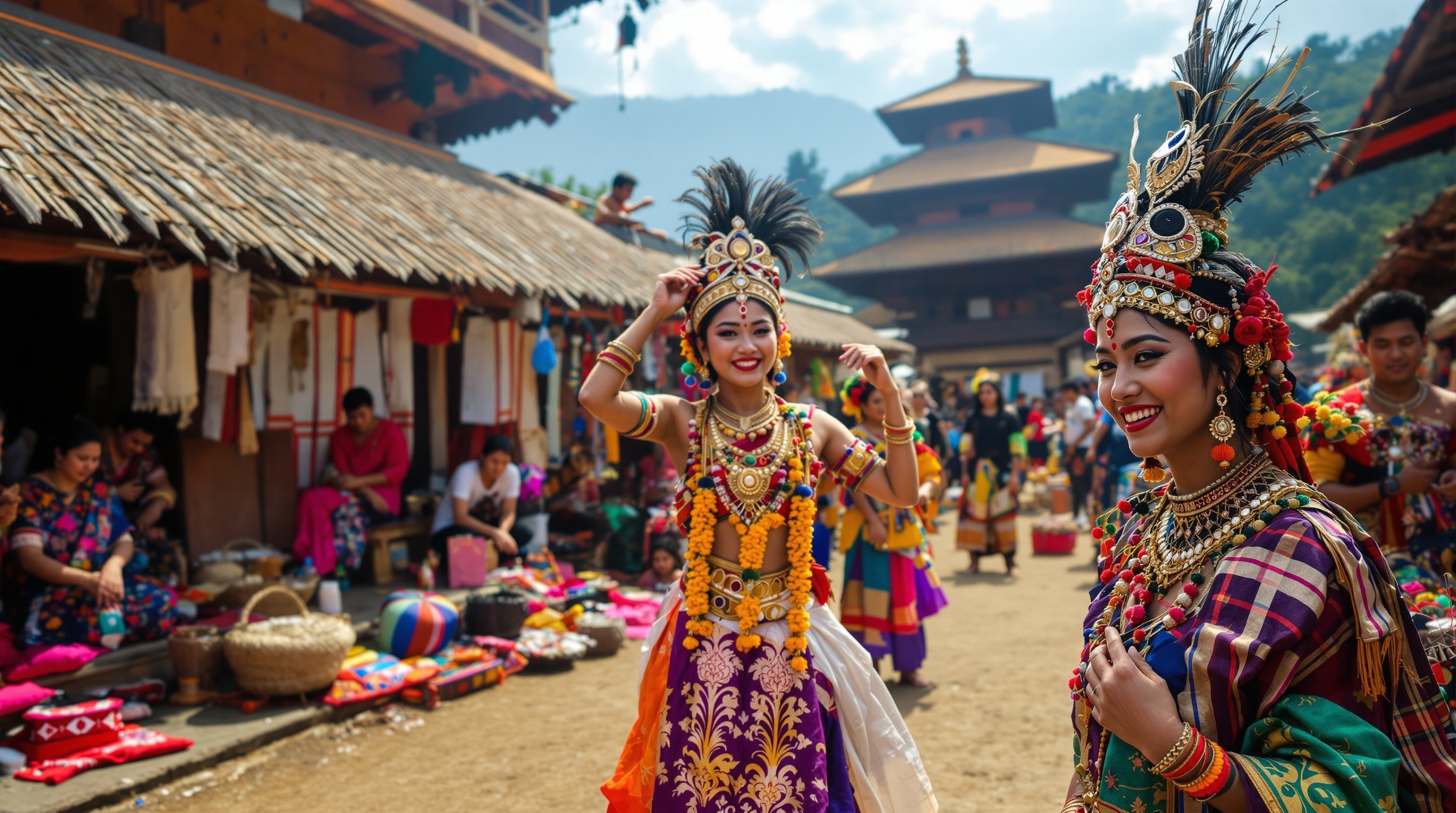
The Nyishi Tribe: Guardians of Ancient Traditions
The Nyishi tribe, as the largest indigenous community in Arunachal Pradesh, plays a particularly significant role in the cultural landscape of Itanagar and surrounding areas. The name "Nyishi" means "the people" in their language, reflecting their self-identity and cultural pride. Nyishi society has historically been characterized by strong community bonds, sophisticated agricultural practices, and rich oral traditions that preserve historical knowledge, moral teachings, and cultural values across generations.
One of the most distinctive features of traditional Nyishi culture is the use of the hornbill feather as a status symbol worn by men. The Great Indian Hornbill's beak and feathers, mounted on traditional headgear called "bo-sengge," represent valor, prestige, and social standing within the community. This tradition reflects the deep symbolic relationships between humans and the natural world that characterize many indigenous cultures. However, conservation concerns regarding hornbill populations have led to increasing use of alternative materials while maintaining the cultural significance of the tradition.
Traditional Nyishi architecture demonstrates remarkable adaptation to local environmental conditions and available materials. Houses are typically built on raised platforms using bamboo, wood, and thatch, with specific design features that provide protection from heavy monsoon rains, facilitate ventilation, and create functional living spaces. The construction methods reflect generations of accumulated knowledge about local materials, structural engineering, and environmental conditions. These architectural traditions, while facing challenges from modern building materials and techniques, continue to influence contemporary construction in many communities.
The Nyishi language belongs to the Tibeto-Burman language family and serves as a vital carrier of cultural knowledge and identity. Like many indigenous languages worldwide, Nyishi faces pressures from dominant languages and changing communication patterns. Efforts to document, preserve, and promote the language include educational initiatives, literary works, and digital resources. Language preservation is crucial because languages encode unique worldviews, environmental knowledge, and cultural concepts that are difficult or impossible to fully translate into other tongues.
Traditional Nyishi religious beliefs center on animistic concepts where natural phenomena, landscape features, and living beings possess spiritual essences. The priest figure called "nyibu" serves as mediator between the spiritual and material worlds, conducting rituals to ensure good harvests, heal illnesses, and maintain harmony with spiritual forces. While many Nyishi have adopted Christianity or other religions, traditional beliefs and practices often continue alongside newer faiths, creating syncretic religious expressions that blend different traditions.
Agricultural practices among the Nyishi traditionally involved jhum cultivation (shifting cultivation), a sustainable farming system adapted to forest environments. This method involves clearing forest plots, cultivating them for a few years, then allowing them to regenerate while new plots are cleared. While often misunderstood as environmentally destructive, traditional jhum systems incorporated long fallow periods and crop diversity that maintained ecological balance. Contemporary agricultural transitions involve permanent cultivation, cash crops, and modern techniques, bringing both opportunities and challenges to traditional livelihoods.
Cultural Sensitivity
When engaging with tribal cultures, visitors should approach with respect, humility, and cultural sensitivity. Always seek permission before photographing people, respect sacred sites and cultural practices, avoid intrusive questions, and recognize that you are guests in communities that are generously sharing their heritage. Responsible cultural tourism benefits both visitors and host communities by fostering mutual understanding and supporting cultural preservation.
Festivals and Celebrations: Windows into Cultural Life
Festivals represent some of the most vibrant and accessible expressions of tribal culture in Arunachal Pradesh. These celebrations bring communities together to mark agricultural cycles, honor deities and ancestors, strengthen social bonds, and pass traditions to younger generations. For visitors, attending these festivals offers unparalleled opportunities to witness living traditions, participate in communal celebrations, and gain deeper appreciation for the richness of tribal cultures.
The Nyokum festival, celebrated by the Nyishi tribe typically in late February, marks the commencement of agricultural activities and seeks blessings for prosperity and protection from natural calamities. The festival involves elaborate rituals performed by the nyibu priest, including animal sacrifices, prayers to Nyokum-Bali-Nyokum-Bane (the supreme deities), and communal feasting. Traditional dances, songs, and indigenous games form integral parts of the celebration. People wear traditional attire, creating spectacular displays of cultural identity and pride.
The Dree festival, celebrated by the Apatani tribe in July, is an agricultural festival praying for bumper harvests and prosperity. The name "Dree" means prosperity and peace. The festival involves rituals at various community sites, traditional dances including the spectacular Daminda dance performed by women, and festivities that continue for several days. The Apatani people's unique facial tattooing tradition (now discontinued among younger generations) and nose plugs worn by older women represent distinctive cultural practices that have attracted anthropological interest.
The Solung festival of the Adi tribe, celebrated in September, is a major harvest festival involving prayers to the gods, traditional dances, and communal celebrations. The festival includes several types of traditional dances such as the Ponung dance (performed by young men and women), Gadu dance, and Tapu dance, each with specific cultural meanings and performance contexts. The agricultural nature of the festival reflects the central importance of farming in Adi society and the spiritual dimensions of human relationships with the land.
The Losar festival celebrated by Monpa, Sherdukpen, and other Buddhist communities marks the Tibetan New Year and involves prayers, monastery visits, traditional dances, and family gatherings. The festival reflects the cultural connections between Arunachal Pradesh's Buddhist communities and broader Himalayan Buddhist traditions. Masked dances, butter lamp offerings, and festive meals characterize the celebrations. The festival demonstrates how religious traditions shape cultural calendars and community life.
Mopin festival of the Galo tribe, celebrated in April, is another significant agricultural festival involving traditional dances, folk songs, and rituals seeking blessings from Mopin goddess for prosperity and protection. The festival features traditional sports competitions, archery contests, and cultural performances that showcase Galo heritage. Like other tribal festivals, Mopin serves multiple functions including spiritual, social, and cultural dimensions that strengthen community bonds and transmit traditions.
Contemporary festival celebrations often blend traditional elements with modern features such as cultural competitions, exhibitions, tourism promotion, and entertainment programs. State-sponsored events and cultural festivals bring together diverse communities, promoting intercultural understanding while celebrating indigenous heritage. These adaptations demonstrate how traditions evolve while maintaining core cultural meanings and values that give them continued relevance.
Traditional Attire
Each tribe has distinctive traditional dress featuring handwoven textiles, unique patterns, and specific styles. These garments reflect social status, age, marital status, and tribal identity while showcasing sophisticated weaving and dyeing techniques.
Oral Traditions
Stories, myths, legends, and historical accounts are preserved through oral transmission. These narratives encode moral teachings, historical knowledge, cultural values, and explanations of natural phenomena, serving as educational and entertainment resources.
Social Structures
Tribal societies maintain unique social organizations based on clans, kinship networks, and community councils. These structures govern social relationships, resolve disputes, and maintain order while adapting to modern governance systems.
Traditional Arts and Crafts: Material Culture and Artistic Expression
The traditional arts and crafts of Arunachal Pradesh's tribal communities represent centuries of artistic creativity, technical expertise, and cultural expression. These crafts serve practical purposes while embodying aesthetic values, cultural symbolism, and technical knowledge passed through generations. For visitors, understanding and appreciating these crafts provides insights into the material culture and artistic sensibilities that characterize different tribal groups.
Textile weaving stands as one of the most developed and culturally significant craft traditions in the region. Each tribe has distinctive weaving patterns, color preferences, and techniques that identify their textile products. Women traditionally perform weaving using backstrap looms, creating intricate patterns through complex techniques that require years to master. The textiles serve various purposes including clothing, ceremonial items, and trade goods. Natural dyes derived from plants, minerals, and insects create the vibrant colors that characterize traditional textiles.
Bamboo and cane crafts represent another major category of traditional arts, utilizing the abundant bamboo resources found throughout Arunachal Pradesh. Skilled artisans create an enormous variety of items including baskets, mats, hats, fishing traps, musical instruments, household containers, and decorative objects. The techniques involve splitting, weaving, and joining bamboo and cane using methods that vary among different tribal groups. These crafts demonstrate sophisticated understanding of material properties, structural principles, and functional design.
Wood carving produces both utilitarian objects and artistic pieces, with different tribes specializing in particular forms and styles. Carved items include agricultural tools, weapons, masks, sculptures, household utensils, and architectural elements. The carving techniques and artistic styles reflect cultural aesthetics, spiritual beliefs, and practical needs. Some carved items carry deep symbolic meanings related to clan identities, spiritual protection, or social status.
Traditional jewelry and ornaments demonstrate remarkable creativity in using various materials including beads, shells, metals, teeth, bones, and natural fibers. Each tribal group has characteristic jewelry styles that serve both decorative and symbolic functions. The materials used often reflect trade connections and the value systems that determine what constitutes desirable adornment. Contemporary jewelry making increasingly incorporates modern materials while maintaining traditional design sensibilities and cultural meanings.
Pottery and ceramic traditions, though less developed than in some other Indian regions, exist among certain tribal communities. Traditional pottery serves practical purposes for cooking, storage, and ceremonial uses. The forms, decoration techniques, and firing methods reflect local clay sources, fuel availability, and cultural preferences. Pottery making often involves specialized knowledge held by particular families or communities, with techniques transmitted through hands-on apprenticeship.
Mask making for traditional dances and rituals represents a specialized artistic tradition requiring particular skills and cultural knowledge. Masks used in festivals, religious ceremonies, and performances often depict spirits, deities, animals, or mythological figures. The creation of these masks involves not only artistic skills but also understanding of spiritual dimensions and ritual requirements. Traditional masks increasingly serve as collectible art objects while maintaining their ceremonial functions.
Linguistic Diversity: A Tower of Babel
Arunachal Pradesh's linguistic landscape is extraordinarily diverse, with estimates suggesting that over 50 distinct languages and numerous dialects are spoken within the state's borders. This linguistic diversity reflects the region's complex history of human settlement, geographical isolation of different valleys and mountain regions, and the maintenance of distinct tribal identities. For linguists and anthropologists, Arunachal Pradesh represents a treasure trove of linguistic diversity and an urgent conservation priority as many languages face endangerment.
The languages spoken in Arunachal Pradesh belong primarily to the Tibeto-Burman language family, with some languages showing affiliations to other language groups. The diversity within even the Tibeto-Burman category is remarkable, with languages showing significant differences in vocabulary, grammar, and phonology. This diversity presents both challenges and opportunities - challenges for communication and administration across linguistic boundaries, but opportunities for understanding human linguistic capabilities and historical relationships among populations.
Language serves as the primary carrier of cultural knowledge, encoding unique concepts, environmental knowledge, and worldviews that are difficult to fully translate into other languages. When languages disappear, this accumulated wisdom and these unique perspectives are lost forever. Many indigenous languages in Arunachal Pradesh currently face pressures from dominant languages like Hindi, English, and Assamese, which offer greater utility for education, employment, and communication with the wider world.
Efforts to document, preserve, and promote indigenous languages include academic research projects, educational programs, literature development, and digital resources. Some tribes have developed writing systems for their languages, enabling written literature, educational materials, and archival documentation. Radio broadcasts, cultural programs, and festivals conducted in indigenous languages help maintain their vitality and prestige. However, language preservation ultimately depends on intergenerational transmission, requiring that children learn and use their ancestral languages.
The multilingual reality of Itanagar and Arunachal Pradesh creates complex communication environments where individuals often speak multiple languages - their tribal language, Hindi or English for wider communication, and possibly other regional languages. This multilingualism represents both a cognitive richness and a practical skill that facilitates navigation of diverse social contexts. Understanding this linguistic complexity helps visitors appreciate the sophisticated communication skills that many residents possess.
Religious and Spiritual Traditions: Sacred Landscapes and Beliefs
The religious and spiritual landscape of Arunachal Pradesh reflects remarkable diversity, with indigenous animistic traditions, Buddhism, Hinduism, and Christianity all present and sometimes intermingling in syncretic practices. Understanding these religious dimensions provides crucial insights into worldviews, values, and practices that shape individual and community life. The spiritual traditions also significantly influence environmental conservation practices, social ethics, and cultural expressions.
Indigenous animistic beliefs, sometimes called Donyi-Polo (sun-moon) religion among some tribes, center on reverence for natural forces and landscape features believed to possess spiritual power. Sacred groves, mountains, rivers, and ancient trees are protected and venerated as dwelling places of spirits or deities. These beliefs foster environmental conservation by placing spiritual prohibitions on harming sacred natural sites. Priests or shamans serve as mediators with the spiritual realm, conducting rituals for healing, ensuring good harvests, and maintaining cosmic harmony.
Buddhism has deep historical roots in Arunachal Pradesh, particularly in western regions bordering Tibet and Bhutan. The Monpa, Sherdukpen, and other communities practice forms of Tibetan Buddhism similar to those found in neighboring Himalayan regions. Monasteries serve as centers of religious practice, education, and cultural preservation. Buddhist philosophy and ethics influence daily life, social relationships, and attitudes toward suffering, compassion, and spiritual development. The presence of important pilgrimage sites and reincarnate lamas adds spiritual significance to the region.
Hinduism has influenced Arunachal Pradesh through historical connections with Assam and other parts of India. Archaeological sites like Malinithan and Bhismaknagar suggest ancient Hindu kingdoms in the region. Contemporary Hindu communities maintain temples, observe festivals, and follow religious practices while often incorporating local cultural elements. The syncretic nature of religious practice means that clear boundaries between Hinduism and indigenous traditions sometimes blur, creating distinctive regional expressions of Hindu spirituality.
Christianity arrived in Arunachal Pradesh through missionary activities beginning in the colonial period and continuing after independence. Significant portions of several tribal communities have converted to Christianity, particularly Baptist and Catholic denominations. Christian communities maintain churches, educational institutions, and social service organizations. The adoption of Christianity has brought changes in worldviews, social practices, and cultural expressions while often coexisting with traditional cultural elements in complex ways.
The religious diversity of the region raises important questions about cultural change, identity, and preservation. Religious conversion sometimes involves rejection of traditional practices, creating generational tensions and concerns about cultural loss. However, many communities find ways to maintain cultural traditions even while adopting new religions, demonstrating that culture and religion, while interconnected, are not identical. Respecting this religious diversity while valuing cultural heritage represents an ongoing challenge and opportunity.
Music, Dance, and Performance Traditions
Music and dance occupy central places in the cultural life of Arunachal Pradesh's tribal communities, serving purposes that extend far beyond entertainment. These performance traditions mark important life cycle events, agricultural seasons, religious ceremonies, and social gatherings. Through music and dance, communities transmit cultural values, historical narratives, and social norms while creating opportunities for artistic expression, social bonding, and spiritual connection.
Traditional musical instruments show remarkable diversity and sophistication, crafted from locally available materials including bamboo, wood, animal skins, and metal. Percussion instruments include various types of drums, gongs, and cymbals used to create rhythmic foundations for dances and ceremonies. Wind instruments include bamboo flutes, trumpets, and reed instruments producing haunting melodies that accompany songs and dances. String instruments, though less common, exist in some tribal traditions. Each instrument type requires specialized knowledge to construct and play, with techniques passed through oral transmission and hands-on learning.
Dance traditions are extraordinarily varied, with each tribe maintaining distinctive dance forms performed in specific contexts. Some dances are sacred and restricted to ritual contexts, while others are social and recreational. Community dances involve entire villages, creating powerful expressions of collective identity and social cohesion. The movements, formations, and gestures in traditional dances carry symbolic meanings related to agricultural activities, hunting, warfare, courtship, or spiritual narratives. Elaborate costumes, ornaments, and body decorations enhance the visual impact of performances.
Songs and vocal music serve multiple functions including work songs that coordinate group labor, lullabies that soothe children, love songs that express romantic sentiments, and epic narratives that recount historical events or mythological stories. The song traditions encode important cultural information and provide insights into values, emotions, and social relationships. Traditional singing styles may involve unique vocal techniques, scales, and rhythmic patterns that distinguish them from mainstream Indian musical traditions.
Performance traditions face both opportunities and challenges in the modern era. Festivals and cultural programs provide platforms for showcasing traditional arts to wider audiences, supporting cultural preservation and pride. However, changing lifestyles, migration, and the appeal of popular culture threaten the transmission of traditional knowledge to younger generations. Educational initiatives, cultural organizations, and government support aim to preserve and promote these performance traditions while allowing them to evolve organically.
Food Culture and Culinary Traditions
The culinary traditions of Arunachal Pradesh reflect the region's biodiversity, agricultural practices, and cultural preferences. Food culture encompasses not only what people eat but also how food is produced, prepared, served, and consumed - all areas where tribal communities maintain distinctive practices that offer insights into their relationships with the environment and their social values. For visitors, experiencing local cuisines provides delicious and memorable ways to connect with cultural heritage.
Rice serves as the staple grain for most communities, with various rice varieties cultivated through both wet and dry farming methods. Traditional rice varieties, many of which are locally adapted cultivars maintained over generations, offer nutritional benefits and cultural significance beyond modern commercial varieties. Alongside rice, communities cultivate and consume various millets, maize, and other grains that provide dietary diversity and nutritional security.
The use of bamboo shoots distinguishes northeastern cuisines, with fresh, fermented, and preserved bamboo shoots featuring in numerous dishes. These shoots provide not only food but also cultural identity markers and connections to forest ecosystems. Bamboo shoot preparations range from simple boiled dishes to complex fermented products requiring specialized knowledge. The seasonal availability and preparation methods vary among different communities, creating diverse bamboo-based culinary traditions.
Meat consumption forms an important part of traditional diets, with pork, chicken, beef, and wild game all consumed depending on cultural preferences and availability. Smoking and drying preserve meat for long-term storage and create distinctive flavors highly valued in local cuisines. Fish from rivers and streams provide protein and omega-3 fatty acids, prepared through various methods including smoking, fermentation, and fresh preparations. Hunting traditions, while restricted by modern conservation regulations, historically provided important protein sources and maintained cultural practices.
The use of indigenous vegetables, leafy greens, and foraged foods reflects sophisticated knowledge of local biodiversity and seasonal availability. Many plants used in traditional cuisines have not been studied scientifically but represent nutritional and medicinal resources developed through generations of experimentation and observation. This traditional ecological knowledge represents invaluable resources for food security and nutrition that deserve recognition and preservation.
Fermented foods occupy special places in culinary traditions, with various fermented preparations of soybeans, bamboo shoots, fish, and other ingredients providing important flavors, preservation methods, and probiotic benefits. Fermentation techniques represent sophisticated food processing knowledge developed long before modern food science explained the microbial processes involved. These traditions contribute to gut health and food security while creating distinctive flavors that define regional cuisines.
Contemporary food culture in Itanagar reflects both traditional influences and global influences, with restaurants offering diverse cuisines and markets providing ingredients from throughout India and beyond. However, traditional foods remain important for cultural identity and are prepared during festivals, family gatherings, and special occasions. Efforts to document, promote, and preserve traditional food knowledge help ensure that these culinary heritages continue into the future.
Social Organization and Community Life
Understanding the social organization and community life of tribal societies provides insights into how these communities maintain social order, resolve conflicts, make collective decisions, and transmit cultural knowledge across generations. Traditional social structures, while adapting to modern governance systems and changing social realities, continue to influence community relationships and individual identities in significant ways.
Clan systems form the basic units of social organization in many tribal societies, with individuals identifying primarily with their clan affiliation. Clans are typically exogamous (marriage outside the clan), creating kinship networks that connect different communities and facilitate social relationships. Clan identities carry responsibilities, rights, and relationships that structure social interactions and provide support systems throughout life. Understanding one's clan affiliation remains crucial for social identity and appropriate behavior in traditional contexts.
Village councils or community assemblies traditionally served as primary governance institutions, with elders, respected individuals, and community members participating in decision-making processes. These democratic traditions emphasized consensus-building, public discourse, and collective responsibility for community welfare. While modern administrative structures have overlaid traditional governance systems, village councils continue to function in many areas, handling local disputes, organizing community activities, and maintaining social cohesion.
Gender roles in traditional societies assign different responsibilities, spaces, and authorities to men and women, though the specific patterns vary among tribes. Women typically maintain primary responsibility for household management, agricultural work in fields near homes, child-rearing, and craft production. Men traditionally engage in hunting, warfare, clearing new fields, and external political relationships. However, these gender patterns are neither universal nor static, with individual variations and ongoing changes in response to education, economic opportunities, and social movements.
Life cycle rituals mark important transitions including birth, coming-of-age, marriage, and death, with each transition involving specific ceremonies, social obligations, and cultural meanings. These rituals publicly acknowledge changing social statuses, transmit cultural knowledge, and strengthen community bonds. The specific practices vary among tribes but generally involve feasting, gift exchanges, ritual performances, and community participation that affirm social relationships and cultural values.
Marriage practices show considerable diversity, with traditions ranging from arranged marriages to courtship patterns allowing young people significant choice in partners. Bride price or bride wealth exchanges represent not economic transactions but establishment and affirmation of relationships between families and clans. Wedding ceremonies involve elaborate rituals, feasting, and social performances that publicly establish new family units and social obligations. Modern changes in marriage practices reflect education, economic transformations, and individual preferences while often maintaining core cultural elements.
Cultural Preservation and Contemporary Challenges
The preservation of tribal cultures and heritage in Arunachal Pradesh faces numerous challenges in the contemporary world. Modernization, globalization, economic development, education systems, and demographic changes all impact traditional cultures in complex ways. Understanding these challenges and the efforts to address them helps appreciate the dynamic nature of culture and the agency of communities in shaping their cultural futures.
Economic development brings both opportunities and challenges for cultural preservation. Improved infrastructure, market access, and economic opportunities can raise living standards but may also erode traditional livelihoods and knowledge systems. The transition from subsistence agriculture to cash economies, from barter to monetary transactions, and from local to global market integration transforms social relationships and values in profound ways. Balancing economic development with cultural preservation represents an ongoing negotiation requiring careful consideration of costs and benefits.
Education systems, while providing valuable skills and opportunities, often prioritize mainstream knowledge and languages over indigenous knowledge and languages. This creates pressures for cultural change as educated youth may view traditional practices as outdated or obstacles to success in modern society. However, education can also empower communities to document, analyze, and promote their own cultures using modern tools and platforms. Culturally appropriate education that integrates indigenous knowledge with mainstream curricula represents an important goal but faces implementation challenges.
Media and technology offer new possibilities for cultural preservation and transmission. Digital documentation of languages, oral traditions, crafts, and ceremonies creates archives that can support revitalization efforts. Social media platforms allow communities to share their cultures with wider audiences and connect with diaspora members. However, technology also facilitates the spread of global popular culture that may compete with or displace traditional cultural expressions. Navigating these technological opportunities and challenges requires intentional strategies and community involvement.
Government policies and programs significantly impact cultural preservation through support for festivals, museums, research, education, and cultural industries. Policy frameworks that recognize and respect indigenous rights, promote cultural diversity, and support community-based preservation initiatives can create enabling environments for cultural continuity. However, policies can also inadvertently harm cultures through insensitive development projects, inadequate consultation, or promotion of homogenizing national identities that diminish minority cultures.
Tourism presents a double-edged sword for cultural preservation, offering economic incentives for maintaining traditions while potentially commodifying and distorting them for external consumption. Cultural tourism, when developed responsibly with community control and benefits, can support cultural preservation by making traditional practices economically valuable and creating pride in heritage. However, tourism can also lead to staged authenticity, cultural disruption, and negative social impacts if not carefully managed with community welfare as the priority.
Ultimately, cultural preservation depends on communities themselves making choices about which traditions to maintain, adapt, or abandon. External observers, including tourists, should approach these cultures with humility, respect, and recognition that communities have agency in their own cultural futures. Supporting cultural preservation means supporting community autonomy, economic welfare, environmental conservation, and the conditions that allow cultures to thrive rather than simply survive as museum exhibits or tourist attractions.
Experiencing Culture Respectfully
For visitors interested in experiencing the rich culture and heritage of Itanagar and Arunachal Pradesh, approaching communities with respect, cultural sensitivity, and genuine interest is essential. Cultural tourism, when done responsibly, benefits both visitors who gain enriching experiences and host communities who receive economic benefits and external validation of their heritage. However, irresponsible tourism can cause harm through cultural disruption, disrespect, and exploitation.
Key principles for respectful cultural engagement include seeking permission before photographing people or entering sacred spaces, dressing modestly and appropriately for cultural contexts, avoiding intrusive questions or behaviors, respecting privacy and boundaries, and approaching interactions as opportunities for mutual learning rather than one-way observation. Recognizing that you are a guest in someone else's home and community forms the foundation for ethical cultural tourism.
Working with local guides, community-based tourism initiatives, and cultural organizations ensures that tourism benefits reach communities and that cultural representation is authentic and community-approved. These intermediaries can facilitate appropriate interactions, explain cultural contexts, and help visitors avoid inadvertent disrespect or misunderstanding. Their services support local economies while providing visitors with deeper, more meaningful experiences than self-guided tourism typically allows.
Purchasing authentic handicrafts directly from artisans or community cooperatives supports traditional livelihoods and demonstrates appreciation for artistic skills and cultural heritage. However, this should be done with fair pricing that recognizes the labor and expertise involved rather than aggressive bargaining that undervalues work. Understanding the cultural significance and production processes of crafts enhances appreciation beyond mere aesthetic appeal.
Learning about cultural contexts, historical backgrounds, and contemporary challenges before and during visits enables more informed and respectful engagement. Reading, asking questions, listening carefully, and being open to having preconceptions challenged all contribute to meaningful cultural learning. Recognizing the diversity within and among communities, avoiding stereotyping, and appreciating complexity rather than seeking simplified or romanticized versions of culture demonstrates intellectual respect for the sophisticated societies you're engaging with.
Conclusion: Living Heritage in a Changing World
The culture and heritage of Itanagar and Arunachal Pradesh represent living traditions that continue to evolve while maintaining connections to ancient roots. These are not static museum pieces but dynamic expressions of human creativity, adaptation, and community identity. The tribal communities of this region have demonstrated remarkable resilience in maintaining their cultures while navigating the challenges and opportunities of the modern world.
For visitors, engaging with these cultures offers opportunities to expand perspectives, challenge assumptions, and appreciate the remarkable diversity of human societies. The hospitality, generosity, and openness with which many communities share their heritage with respectful visitors creates possibilities for genuine intercultural understanding and mutual enrichment. These experiences can transform how we think about culture, community, sustainability, and what constitutes a good life.
The future of these cultural traditions depends on numerous factors including community decisions, government policies, economic conditions, environmental sustainability, and global trends. Those who care about cultural diversity have responsibilities to support conditions that enable cultures to thrive - including respecting indigenous rights, supporting sustainable development, promoting cultural education, and practicing responsible cultural tourism. In preserving the cultural heritage of places like Itanagar and Arunachal Pradesh, we preserve irreplaceable human treasures that enrich our world and demonstrate the beautiful diversity of human possibilities.