Must-Visit Attractions in Itanagar
Discover the historical, cultural, and natural treasures of Arunachal Pradesh's capital
Itanagar, the picturesque capital of Arunachal Pradesh, offers an impressive array of attractions that cater to diverse interests, from history buffs and culture enthusiasts to nature lovers and adventure seekers. This comprehensive guide explores the city's most significant landmarks, natural wonders, and hidden gems that make Itanagar a must-visit destination in Northeast India. Each attraction tells a unique story, contributing to the rich tapestry of experiences that await visitors to this enchanting city.
The attractions of Itanagar are not merely tourist destinations but living testimonies to the region's complex history, diverse cultures, and stunning natural environment. From ancient fortifications that have witnessed centuries of change to serene lakes that offer peaceful respite from modern life, from Buddhist temples that inspire spiritual contemplation to museums that preserve invaluable cultural heritage, Itanagar's attractions provide windows into the soul of Arunachal Pradesh. This guide will help you navigate these treasures and make the most of your visit to this remarkable city.
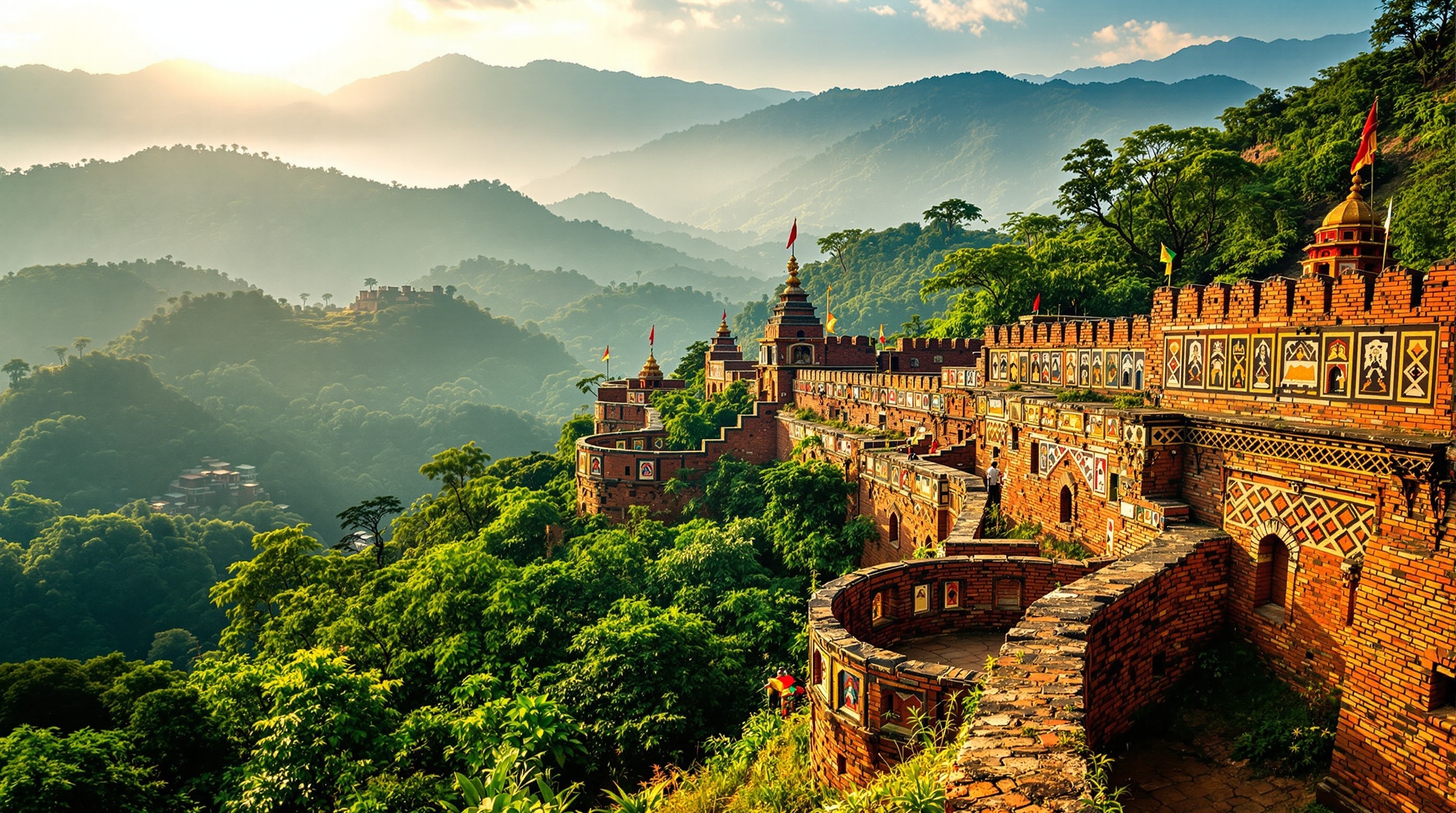
1. Ita Fort: The Historic Jewel of Itanagar
The Ita Fort, from which Itanagar derives its name, stands as the most significant historical monument in the city and arguably the entire state of Arunachal Pradesh. This magnificent fortress, constructed with lakhs (hundreds of thousands) of bricks, dates back to the 14th-15th century AD and is believed to have been built during the reign of the Chutiya kings. The name "Ita" literally means "brick" in Assamese, reflecting the fort's primary construction material and architectural distinction.
The fort's architectural design is both impressive and intriguing, featuring irregular polygonal walls that enclose an area of approximately 8 acres. The fortification originally had three main entrances - the eastern, western, and southern gates - strategically positioned for defense and accessibility. The walls, built using locally manufactured bricks without the use of modern cement, demonstrate remarkable engineering expertise. The bricks were held together using a special mortar mixture containing egg, rice, and lime, which has proven incredibly durable, allowing substantial portions of the fort to survive seven centuries of monsoons, earthquakes, and natural weathering.
Archaeological excavations at the site have revealed fascinating artifacts including pottery shards, ancient coins, tools, and ornamental items that provide valuable insights into the lifestyle, trade practices, and cultural sophistication of the fort's inhabitants. The presence of Chinese porcelain fragments suggests that the region engaged in long-distance trade, connecting the northeastern frontier to broader Asian trade networks. These findings have significantly enhanced our understanding of the region's historical importance and its role in ancient commerce and cultural exchange.
Today, the Ita Fort serves multiple purposes as a historical monument, archaeological site, and popular tourist destination. Visitors can explore the ruins, walk along the remaining walls, and imagine the fort's former glory while enjoying panoramic views of the surrounding landscape. The fort's elevated position provides excellent vantage points for photography, especially during golden hour when the ancient bricks glow warmly in the setting sun. Information boards at the site explain the fort's history and significance, helping visitors appreciate its archaeological and cultural importance.
The fort's surroundings have been developed into a pleasant park area with walking paths, benches, and landscaping that enhance the visitor experience without compromising the monument's historical integrity. Local guides are often available to provide detailed historical narratives and point out specific architectural features that might otherwise go unnoticed. The site hosts occasional cultural programs and heritage events that bring history alive through performances and demonstrations of traditional arts and crafts.
Conservation efforts at Ita Fort represent an ongoing challenge and commitment. The Archaeological Survey of India, in collaboration with state authorities, has implemented various measures to preserve and protect the monument from further deterioration. These efforts include structural stabilization, vegetation management, visitor education programs, and research initiatives aimed at better understanding the fort's construction techniques and historical context. Despite these challenges, Ita Fort remains a source of pride for local communities and a testament to the region's rich heritage.
2. Ganga Lake (Gyakar Sinyi): Nature's Tranquil Retreat
Ganga Lake, locally known as Gyakar Sinyi, represents one of Itanagar's most beloved natural attractions and recreational spaces. This scenic lake, surrounded by lush green hills and dense forests, offers a perfect escape from urban life and a wonderful setting for relaxation, recreation, and nature appreciation. The lake's serene beauty and well-developed facilities make it a favorite destination for both locals and tourists seeking peaceful moments amid natural splendor.
The lake itself is a man-made reservoir created to serve the city's water needs, but over time it has evolved into much more than a utilitarian infrastructure project. The surrounding area has been thoughtfully developed into a comprehensive recreational complex featuring well-maintained gardens, walking paths, boating facilities, and viewing platforms that allow visitors to fully experience the location's natural beauty. The lake's calm waters reflect the surrounding hills and sky, creating picture-perfect scenes that attract photographers and nature lovers throughout the year.
Boating is one of the primary attractions at Ganga Lake, with various types of boats available for rent, including paddle boats and rowing boats. Gliding across the tranquil waters offers a unique perspective of the surrounding landscape and provides opportunities to observe aquatic birds and other wildlife that frequent the lake. The boating experience is particularly magical during early morning hours when mist often hangs over the water, or during sunset when the sky paints dramatic colors across the lake's surface.
The Orchidarium located near Ganga Lake showcases Arunachal Pradesh's incredible diversity of orchid species. Arunachal Pradesh is home to over 600 species of orchids, making it one of the world's orchid hotspots. The Orchidarium features carefully curated collections of native orchids displayed in naturalistic settings that educate visitors about these beautiful plants while promoting conservation awareness. The best time to visit is during the flowering season when numerous species bloom simultaneously, creating a riot of colors and fragrances.
The surrounding park area features well-landscaped gardens with native and ornamental plants, children's play areas, picnic spots, and vendors selling local snacks and refreshments. The park's paths are ideal for morning and evening walks, jogging, or simply strolling while enjoying the fresh air and scenic views. Families particularly appreciate the safe, clean environment where children can play while adults relax or engage in recreational activities.
Ganga Lake also serves as a venue for various cultural events, festivals, and community gatherings throughout the year. The open spaces and scenic backdrop make it an ideal location for outdoor concerts, art exhibitions, and cultural performances that bring together residents and visitors in celebration of local arts and traditions. These events add vibrancy to the location and provide visitors with opportunities to experience local culture in a beautiful natural setting.
Visitor's Tip
Plan to visit Ganga Lake early in the morning to enjoy the peaceful atmosphere, observe birds, and capture stunning photographs in the soft morning light. Alternatively, late afternoon visits allow you to witness spectacular sunsets over the lake. Weekends can be crowded with local visitors, so weekday visits offer a more tranquil experience.
3. Buddhist Temple: Architectural Splendor and Spiritual Serenity
The Buddhist Temple in Itanagar stands as a prominent landmark and spiritual center, exemplifying the traditional architectural styles of Tibetan Buddhism while serving as a place of worship, meditation, and cultural preservation. The temple's striking appearance, with its golden roof gleaming in the sunlight and colorful prayer flags fluttering in the breeze, makes it one of the city's most photographed structures and a must-visit destination for anyone interested in Buddhist culture and architecture.
The temple complex reflects authentic Tibetan Buddhist architectural principles, featuring characteristic elements such as the mandala-inspired layout, elaborate woodwork, vibrant murals depicting Buddhist deities and narratives, and intricate decorative details that carry deep symbolic meanings. The main prayer hall houses beautiful Buddha statues, thangka paintings, and ritual objects that provide insights into Buddhist iconography and religious practices. The craftsmanship displayed in these elements represents traditional artistic skills that have been preserved and transmitted through generations of artisans.
Beyond its architectural and artistic significance, the Buddhist Temple serves as an active religious center where monks reside, conduct daily prayers, and maintain traditional Buddhist practices. Visitors are welcome to observe prayer sessions, experience the rhythmic chanting of mantras, and witness rituals that have been performed for centuries. These experiences offer profound insights into Buddhist philosophy, meditation practices, and the spiritual dimensions of life in this region where Buddhism has flourished for generations.
The temple's elevated position provides excellent views of Itanagar and the surrounding mountains, making it a popular spot for photography and contemplation. The peaceful atmosphere encourages visitors to slow down, reflect, and find moments of tranquility amid their travels. Many visitors report feeling a sense of calm and spiritual renewal after spending time at the temple, regardless of their own religious background. The universal teachings of compassion, mindfulness, and inner peace that Buddhism promotes resonate with people from all walks of life.
The temple grounds include well-maintained gardens with prayer wheels, statues, and sacred symbols that enhance the spiritual ambiance. Spinning the prayer wheels, a traditional Buddhist practice believed to spread blessings and positive energy, is an activity that visitors of all backgrounds can participate in. Information boards explain the significance of various elements, helping visitors understand the rich symbolism and meaning embedded in every aspect of the temple's design and decoration.
Special Buddhist festivals and ceremonies held at the temple throughout the year offer unique opportunities to witness elaborate rituals, masked dances, and community celebrations. These events provide windows into living Buddhist traditions and demonstrate how religious practices continue to shape community life in modern Itanagar. The temple community welcomes respectful visitors during these occasions, sharing their traditions and fostering intercultural understanding and appreciation.
4. Jawaharlal Nehru State Museum: Gateway to Tribal Heritage
The Jawaharlal Nehru State Museum represents the most comprehensive repository of Arunachal Pradesh's tribal heritage, anthropological treasures, and cultural artifacts. Established to preserve, document, and display the rich cultural diversity of the state's numerous tribal communities, the museum offers visitors invaluable insights into the traditions, lifestyles, arts, and histories of the indigenous peoples who have inhabited this region for millennia. For anyone seeking to understand the cultural landscape of Arunachal Pradesh, the museum is an essential destination.
The museum's extensive collection includes traditional costumes and textiles that showcase the distinct sartorial traditions of different tribes. Each tribal community has developed unique weaving techniques, patterns, colors, and styles that reflect their identity, status systems, and aesthetic preferences. The textile displays reveal sophisticated dyeing methods, intricate weaving patterns, and the use of natural materials that demonstrate centuries of accumulated knowledge and artistic expertise. These garments are not merely clothing but expressions of cultural identity, social structures, and artistic creativity.
The weaponry section features an impressive array of traditional arms including bows and arrows, spears, swords, shields, and other implements that were historically used for hunting, warfare, and ceremonial purposes. Each weapon type reflects specific tribal traditions, warfare strategies, and craftsmanship techniques. The displays explain the cultural contexts in which these weapons were used, their symbolic meanings, and the rituals associated with them. Understanding these aspects provides deeper appreciation for the complexity and sophistication of tribal societies that are often simplistically portrayed in mainstream narratives.
Musical instruments occupy a special place in the museum's collections, representing the rich musical traditions that characterize tribal cultures. From various types of drums and gongs to bamboo flutes, stringed instruments, and ceremonial horns, the displays showcase the diversity of musical expressions in Arunachal Pradesh. Music plays crucial roles in tribal life, accompanying festivals, rituals, dances, and storytelling. The museum's collection helps preserve knowledge of these instruments and the musical traditions they represent, many of which face challenges from modernization and changing lifestyles.
The museum also houses collections of household items, agricultural tools, hunting equipment, fishing gear, and other everyday objects that illuminate the daily lives, subsistence strategies, and material cultures of tribal communities. These seemingly mundane items reveal sophisticated knowledge of local environments, innovative solutions to practical challenges, and sustainable resource management practices developed over generations. Studying these objects provides insights into the ingenuity and adaptability that have allowed tribal communities to thrive in diverse ecological zones ranging from tropical valleys to high-altitude mountains.
Ornamental items including jewelry, beadwork, necklaces, earrings, and other personal adornments demonstrate the aesthetic sensibilities and craftsmanship skills of tribal artisans. Many of these ornaments carry symbolic meanings related to status, age, marital status, achievements, or tribal affiliation. The materials used - ranging from precious metals and stones to beads, shells, teeth, and natural fibers - reflect both local availability and trade connections that brought distant materials to this remote region.
The museum regularly hosts temporary exhibitions, cultural programs, lectures, and workshops that bring its collections to life and engage visitors in active learning experiences. These programs feature demonstrations of traditional crafts, performances of tribal dances and music, storytelling sessions, and interactions with community members who share their knowledge and experiences. Such initiatives transform the museum from a static repository into a dynamic cultural center that fosters appreciation, understanding, and preservation of living traditions.
Indira Gandhi Park
A sprawling recreational area in the heart of Itanagar, featuring landscaped gardens, children's play areas, walking trails, and elevated viewpoints offering panoramic city vistas. Perfect for evening strolls and family outings.
Polo Park
A popular gathering spot for locals and tourists, featuring open spaces, sports facilities, and areas for relaxation. The park comes alive during evenings with families enjoying picnics and outdoor activities.
Craft Centre and Emporium
Showcasing authentic tribal handicrafts including handwoven textiles, bamboo and cane products, wood carvings, and traditional jewelry. An excellent place to purchase authentic souvenirs while supporting local artisans.
5. Gekar Sinying (Geker Sinying): The Mystic Lake
Gekar Sinying, also known as Geker Sinying, is another beautiful lake located in the Chimpu area near Itanagar. This scenic water body holds special significance for the local Buddhist community and serves as a popular destination for those seeking natural beauty and spiritual atmosphere. The lake is surrounded by hills covered with dense forests, creating a serene environment that invites contemplation and relaxation.
According to local legends and Buddhist traditions, the lake is considered sacred and is believed to have been blessed by Guru Padmasambhava (Guru Rinpoche), the revered Buddhist master who played a crucial role in establishing Buddhism in Tibet and the Himalayan regions. This spiritual association adds a layer of mystique to the lake and makes it a pilgrimage site for Buddhist devotees who come to pay respects, perform rituals, and seek blessings. The peaceful atmosphere and natural beauty combine to create an environment conducive to meditation and spiritual practices.
The area around Gekar Sinying has been developed with walking paths, viewing platforms, and prayer wheels that allow visitors to explore the surroundings while respecting its spiritual significance. The lake is particularly beautiful during early morning hours when mist rises from the water surface and the surrounding hills are bathed in soft light. The reflection of the surrounding landscape on the calm water creates mirror-like images that photographers and nature lovers find irresistible.
The lake serves as an important water source for local communities and supports a variety of aquatic and terrestrial wildlife. Birdwatchers can observe numerous species that frequent the lake and its surroundings, including migratory birds that visit seasonally. The rich biodiversity of the area reflects the healthy ecosystem and the conservation-oriented traditions of local communities who have long maintained a reverent attitude toward nature.
6. Namdapha National Park: Wildlife Wonderland
While not located directly within Itanagar, Namdapha National Park deserves mention as one of the most significant wildlife sanctuaries accessible from the capital and represents one of Arunachal Pradesh's premier natural attractions. Located approximately 500 kilometers from Itanagar, Namdapha is one of India's largest protected areas and is recognized as a biodiversity hotspot of global significance. The park's accessibility from Itanagar makes it a worthwhile excursion for wildlife enthusiasts and nature lovers willing to undertake the journey.
Namdapha boasts an extraordinary range of biodiversity, hosting four big cat species - tigers, leopards, clouded leopards, and snow leopards - a distinction held by very few protected areas worldwide. The park is also home to numerous other mammal species including elephants, red pandas, various primate species, and countless bird species including several rare and endangered ones. The diverse topography ranging from tropical rainforests at lower elevations to alpine meadows at higher altitudes supports this incredible species diversity.
Visiting Namdapha requires advance planning, proper permits, and typically involves staying in forest rest houses or camps within or near the park. Guided safaris, trekking expeditions, and birdwatching tours can be arranged through authorized operators. The experience of exploring this pristine wilderness offers unmatched opportunities for wildlife observation, photography, and connecting with nature in its most undisturbed form. The journey to and from Namdapha also allows travelers to experience the diverse landscapes and cultures of eastern Arunachal Pradesh.
7. Zoological Park: Conservation and Education
The Itanagar Zoological Park (Biological Park) serves as an important center for wildlife conservation, education, and research in Arunachal Pradesh. The park houses various native animal species in environments designed to replicate their natural habitats, providing visitors opportunities to observe regional wildlife while promoting awareness about conservation challenges and the importance of protecting biodiversity.
The zoo's collection includes several endangered species native to Arunachal Pradesh and the Eastern Himalayas, such as clouded leopards, Himalayan black bears, various primate species, and numerous bird species. The facility emphasizes conservation breeding programs, rehabilitation of rescued animals, and research initiatives that contribute to broader wildlife conservation efforts in the region. Educational programs and interpretive displays help visitors understand the ecological roles of different species, threats they face, and actions needed for their protection.
The zoo's naturalistic enclosures are designed to provide adequate space and environmental enrichment for the animals while allowing visitors good viewing opportunities. Walking through the well-maintained paths, visitors can observe animals engaged in natural behaviors, learn about their characteristics and habitats, and develop appreciation for the region's rich wildlife heritage. The zoo is particularly popular among families with children, providing educational and entertaining experiences that foster environmental awareness from a young age.
8. Gompa Buddha Vihar: Spiritual Haven
The Gompa Buddha Vihar represents another important Buddhist spiritual center in Itanagar, offering a peaceful sanctuary for meditation, prayer, and spiritual learning. This monastery complex showcases traditional Buddhist architecture and houses important religious texts, statues, and ritual objects. The resident monks maintain daily prayer schedules and welcome visitors interested in learning about Buddhist philosophy and practices.
The monastery's prayer hall features beautiful murals depicting scenes from Buddha's life and Buddhist cosmology, along with statues of various Buddhist deities and enlightened beings. The artistic quality and spiritual significance of these elements make the monastery an important cultural site as well as a religious one. Visitors can participate in meditation sessions, listen to dharma teachings, and experience the contemplative atmosphere that pervades the monastery grounds.
The monastery also functions as a center for preserving and transmitting Buddhist cultural traditions, including ritual arts, chanting techniques, and philosophical studies. Young monks receive traditional education here, ensuring the continuation of these ancient traditions into future generations. The monastery's library contains valuable Buddhist texts and scriptures, some of which are rare manuscripts that represent important repositories of Buddhist knowledge and literature.
9. Local Markets: Cultural Immersion and Shopping
The local markets of Itanagar provide fascinating glimpses into daily life and offer excellent opportunities for cultural immersion and shopping for authentic local products. These bustling marketplaces bring together people from various tribal communities, creating vibrant social spaces where commerce, culture, and community interactions intersect. For visitors, exploring these markets offers authentic experiences that reveal much about local lifestyles, food habits, crafts, and social dynamics.
The Ganga Market, one of Itanagar's primary commercial centers, features a wide variety of goods including fresh produce, textiles, handicrafts, traditional items, and everyday commodities. Walking through the market's lanes, visitors encounter colorful displays of fresh fruits and vegetables, many of which are locally grown or foraged from forests. The market also features sections dedicated to tribal handicrafts where artisans sell their products directly, offering opportunities to purchase authentic items while supporting local economies.
Traditional items available in these markets include handwoven shawls, bamboo and cane products, traditional jewelry, carved wooden items, and various other crafts that make excellent souvenirs. Purchasing these items directly from artisans or local vendors ensures authenticity while contributing to the preservation of traditional crafts by making them economically viable. Bargaining is common in these markets, but it's important to do so respectfully, recognizing the skilled labor and cultural value embodied in these handmade products.
Food markets offer opportunities to discover local cuisines and ingredients that characterize the regional culinary traditions. Items such as bamboo shoots, various leafy vegetables, local varieties of rice, smoked meats, fermented preparations, and traditional spices provide insights into the distinctive flavors and cooking methods of Arunachal Pradesh. Some vendors are happy to explain how different ingredients are used and prepared, offering informal cooking lessons that add educational value to the shopping experience.
10. Nearby Destinations: Extending Your Exploration
Itanagar's strategic location makes it an excellent base for exploring several other significant attractions in the surrounding region. Day trips or short excursions to nearby destinations can significantly enhance your understanding and appreciation of Arunachal Pradesh's diverse attractions and cultures. Planning to include some of these destinations in your itinerary will provide a more comprehensive experience of the region's offerings.
The Poma area, located just a few kilometers from Itanagar, features a hilltop settlement offering spectacular panoramic views of the surrounding valleys and mountains. The area is inhabited primarily by the Nyishi community, and visitors can observe traditional architecture, agricultural practices, and community life. The scenic beauty and cultural authenticity of Poma make it an excellent destination for those seeking off-the-beaten-path experiences and interactions with local communities.
The Itafort Wildlife Sanctuary, surrounding the Ita Fort area, protects important forest habitats and provides opportunities for nature walks and wildlife observation. The sanctuary's trails wind through diverse forest types, offering chances to observe various plant species, birds, and possibly some mammals. The combination of historical significance (the fort) and natural beauty makes this area particularly appealing for visitors interested in both cultural and ecological aspects of the region.
The Pappu Reserve Forest, located near Itanagar, represents another excellent destination for nature lovers and trekkers. This dense forest area features several trekking trails of varying difficulty levels, waterfalls, streams, and diverse flora and fauna. Trekking through these forests provides intimate encounters with nature and opportunities to observe wildlife in their natural habitats. The forest's biodiversity and pristine condition reflect the conservation values maintained by local communities over generations.
Planning Your Attractions Tour
To make the most of Itanagar's attractions, proper planning is essential. Most of the major attractions within the city can be covered in 2-3 days, but allowing more time enables deeper exploration and unhurried experiences. Consider hiring a local guide who can provide historical context, cultural insights, and practical assistance in navigating the city and its attractions. Local guides also facilitate interactions with communities and help visitors understand nuances that might otherwise be missed.
The best time to visit most attractions is during the dry season (October to April) when weather conditions are favorable for outdoor activities and sightseeing. However, each season offers unique experiences - the monsoon months bring lush greenery and spectacular waterfalls, while winter provides clear views of distant mountains. Considering your interests, physical capabilities, and time available will help in prioritizing attractions and creating an itinerary that maximizes satisfaction and minimizes stress.
Respecting local customs, seeking permission before photographing people or religious sites, dressing modestly when visiting temples and monasteries, and being environmentally conscious throughout your visits will ensure positive experiences for both you and the communities you interact with. Itanagar's attractions offer windows into the unique character of Arunachal Pradesh - approach them with curiosity, respect, and openness, and you'll be rewarded with unforgettable experiences and lasting memories.